Phuket vs Bangkok — Which Thailand Market Is Right for American Buyers?
This article provides editorial intelligence only. It does not constitute legal, tax, or immigration advice. Engage a qualified Thai property lawyer and, where relevant, a US tax attorney with international expertise before making any decision based on this content.
Direct answer: Phuket suits American buyers who want a resort lifestyle, tourism-driven rental yield, and manageable-scale city infrastructure. Bangkok suits buyers who want long-term capital appreciation, urban density, and proximity to business, transit, and the most advanced private healthcare system in Southeast Asia. Property ownership law is identical in both cities. The choice comes down to how you plan to use the property and what your primary financial objective is.
The Starting Point: What These Two Markets Actually Are
Phuket is a resort island of approximately 570 square kilometres on Thailand's Andaman Coast. Its economy runs on tourism and, increasingly, long-term residential expatriate demand. The property market is driven primarily by foreign buyers, with Thai nationals representing a smaller share of transactions than in Bangkok.
Bangkok is Thailand's capital and primary urban centre, with a metropolitan area population exceeding 10 million people. It operates as the commercial, financial, and transport hub of mainland Southeast Asia. The property market includes a large domestic Thai buyer segment alongside significant foreign demand, particularly from buyers in other Asian countries.
These are fundamentally different markets serving different buyer needs. Comparing them as though one is simply the better version of the other misses the point. The relevant question is not which is better, but which one matches what you are actually trying to accomplish.
Ownership Law: Identical in Both Markets
Thai property law applies nationally. There are no Bangkok-specific or Phuket-specific ownership rules that differ between the two cities. The following rules apply in both markets:
- Foreigners can hold freehold title on registered condominium units, subject to the 49% foreign quota per project
- Foreigners cannot own land in a personal name
- Villa and house transactions use a registered leasehold structure, with a maximum 30-year registerable term
- Nominee company structures are illegal under the Foreign Business Act
- Freehold condominium registration requires a Foreign Exchange Transaction Form (FET Form) documenting the overseas transfer of purchase funds
- Chanote title (the highest-grade Thai land title) should be verified for any property transaction
Any American buyer evaluating both markets should establish a clear understanding of this legal framework before engaging with any listing or developer in either city.
The Lifestyle and Residency Comparison
Phuket
Phuket is a resort environment. Life in Phuket means beaches, water, a strong expatriate community, international schools, golf, and a pace of daily life that is slower than Bangkok by design. The island has expanded its international connectivity significantly since 2020, and many buyers who previously treated it as a holiday destination now use it as a part-time or full-time base.
The primary lifestyle advantage over Bangkok is the physical environment. The Andaman Sea, the beaches, and the lower density make Phuket a compelling environment for retirement buyers, remote workers, and families seeking a different quality of life than a major Asian capital provides.
The primary lifestyle limitation is scale. Phuket has a limited local economy outside of tourism and real estate. Career opportunities outside those sectors are restricted. The city's infrastructure, while improving, does not match Bangkok's. Specialist medical care, beyond Bangkok Hospital Phuket's competent but limited scope, requires travel to Bangkok.
Bangkok
Bangkok operates as a regional business hub. It has the transport connectivity of a major capital city, including two international airports, an expanding metro system, and direct road and rail links to other Thai cities and neighbouring countries. The private healthcare system, anchored by hospitals like Bumrungrad International and Bangkok Hospital, is the best in Southeast Asia and attracts medical tourism from across the region.
For American buyers who want to maintain professional activity in Asia, Bangkok provides a level of infrastructure and connectivity that Phuket does not. For buyers who want access to a full urban lifestyle with cultural institutions, restaurants, and transit, Bangkok is the more complete option.
The limitation of Bangkok as a lifestyle base for Americans is the same limitation that applies to most major Asian capitals: urban density, air quality, and the absence of a natural resort environment. If the reason to move to Thailand involves beaches and tropical climate, Bangkok delivers neither.
Rental Yield: Phuket Leads on Peak Numbers, Bangkok Leads on Consistency
Rental yield comparisons between Phuket and Bangkok require careful framing. Developer-quoted yields in Phuket are frequently based on peak-season occupancy figures, which do not reflect annual performance. The honest yield analysis looks different.
| Factor | Phuket | Bangkok |
|---|---|---|
| Typical gross yield range | 5% to 8% (professionally managed, annual) | 4% to 6% (prime areas, annual) |
| Yield seasonality | High (Nov-Apr vs May-Oct) | Low (year-round residential demand) |
| Primary rental driver | Short-term tourism demand | Long-term residential and corporate demand |
| Management complexity | Higher (short-term turnovers) | Lower (longer tenancies) |
| Vacancy risk | Significant in low season | Lower due to resident demand base |
Phuket's higher gross yield numbers are real for well-located, well-managed units in high-demand corridors like Bang Tao, Kamala, and Patong. But the seasonal concentration of demand means that an owner targeting yield in Phuket must either accept lower effective annual occupancy or work with a management company that can sustain reasonable low-season bookings. The net yield after management fees, maintenance, and vacancy is the relevant figure, not the developer's peak-season projection.
Bangkok yields are lower in gross terms but are generated by a more consistent residential demand base. A well-located Bangkok condo on the BTS Skytrain corridor attracts long-term tenants who provide stable, lower-maintenance rental income without the high-season and low-season swings that characterise Phuket.
Capital Appreciation: Bangkok Has the Stronger Long-Term Track Record
Bangkok's property market, particularly along the BTS and MRT corridors, has a longer and more documented track record of capital appreciation than Phuket. The drivers of Bangkok appreciation are structural: infrastructure investment, expanding metro lines, and growing demand from both Thai and regional buyers in a supply-constrained prime corridor.
Phuket's appreciation story is more recent and more variable. Prime areas like Bang Tao and Kamala have seen meaningful price growth since 2020, driven by post-pandemic demand and increasing long-term residential interest. But the Phuket market does not have the same depth of historical appreciation data that Bangkok offers, and its asset values are more directly tied to tourism and travel patterns than Bangkok's are.
For a buyer whose primary objective is capital appreciation over a 10-year or longer horizon, Bangkok is the more defensible choice based on track record. For a buyer who is comfortable with the tourism-linked demand profile in Phuket and is equally motivated by personal use and lifestyle value, Phuket's appreciation trajectory is compelling even without Bangkok's historical depth.
The LTR Visa in Both Markets
The LTR Visa applies nationally. An LTR holder can reside in Phuket, Bangkok, or both. The USD 500,000 qualifying property investment for the Wealthy Global Citizen category can be satisfied by a qualifying condominium in either city.
This means a buyer who wants to use a Thai property purchase as the qualifying investment for an LTR Visa application has flexibility on location. The choice of city should be driven by lifestyle and financial criteria, not by LTR eligibility, since both markets satisfy the investment requirement equally.
Making the Decision
Three questions determine which market is right for a specific American buyer.
How do you plan to use the property? Regular personal use and a resort lifestyle points toward Phuket. An investment asset you may visit occasionally, in a market with stronger urban fundamentals, points toward Bangkok.
What is your primary financial objective? Tourism-driven rental yield during personal non-use points toward Phuket. Long-term capital appreciation and consistent residential yield points toward Bangkok.
What level of infrastructure and healthcare access do you need? If access to a full capital city healthcare system and urban infrastructure is a priority, Bangkok. If a resort environment with adequate private healthcare and international school access is sufficient, Phuket.
Some buyers answer this by purchasing in both markets: a Bangkok condo as a capital appreciation asset and a Phuket unit for personal use and short-term rental. This is a viable strategy for buyers with the capital to support it, and the ownership structure rules are the same in both locations.
Frequently Asked Questions
Is Phuket or Bangkok better for American property buyers?
Neither is universally better. Phuket suits lifestyle, retirement, and rental yield buyers. Bangkok suits buyers prioritising appreciation, urban infrastructure, and capital city connectivity. The right choice depends on intended use and financial objective.
What are typical rental yields in Phuket compared to Bangkok?
Phuket generates gross yields of 5% to 8% in well-managed tourist corridors, with significant seasonal variation. Bangkok generates 4% to 6% in prime areas with lower seasonality. Net yields after management and vacancy costs are the relevant comparison, not peak-season developer projections.
Is property ownership law the same in Phuket and Bangkok?
Yes. Thai property law is national. The 49% foreign quota, land ownership prohibition, 30-year leasehold maximum, and FET Form requirement apply identically in both cities.
What price range should American buyers expect in each market?
Phuket entry-level condominiums start from approximately USD 83,000 to USD 138,000. Mid-range units in prime corridors run USD 165,000 to USD 550,000 and above. Bangkok entry-level starts from approximately USD 55,000 to USD 110,000. Prime Sukhumvit corridor units run USD 220,000 to USD 830,000 and above.
Which city has better healthcare for American residents?
Bangkok has Southeast Asia's most advanced private healthcare system. Phuket has adequate private hospitals for most needs. Complex surgical cases and specialist care from Phuket are frequently referred to Bangkok.
Can Americans use the LTR Visa for property in both Phuket and Bangkok?
Yes. The LTR Visa is national and does not restrict residence to a specific city. The USD 500,000 qualifying investment can be in either city.
Not Sure Which Market Fits Your Situation?
Peter Tumbas reviews buyer profiles and provides an honest assessment of whether Phuket, Bangkok, or a combination makes sense for your specific objectives. He connects qualifying American buyers with vetted Thai property lawyers and licensed specialists in both markets. There is no buyer fee.
Submit a private inquiry at phuketforamericans.com/pages/find-a-property.html, email petertumbas@bhhsne.com, or call 412-225-0598.
Peter Tumbas is a licensed Connecticut real estate professional (RES.0836133) with Berkshire Hathaway HomeServices New England Properties. He is not licensed in Thailand. Introductions to Thai legal and property professionals are made as a referral service.
Internal links: [LINK TO: /can-americans-buy/ ownership structure guide] | [LINK TO: /ltr-visa/ LTR Visa guide] | [LINK TO: /areas/laguna-bang-tao/ Bang Tao area guide]
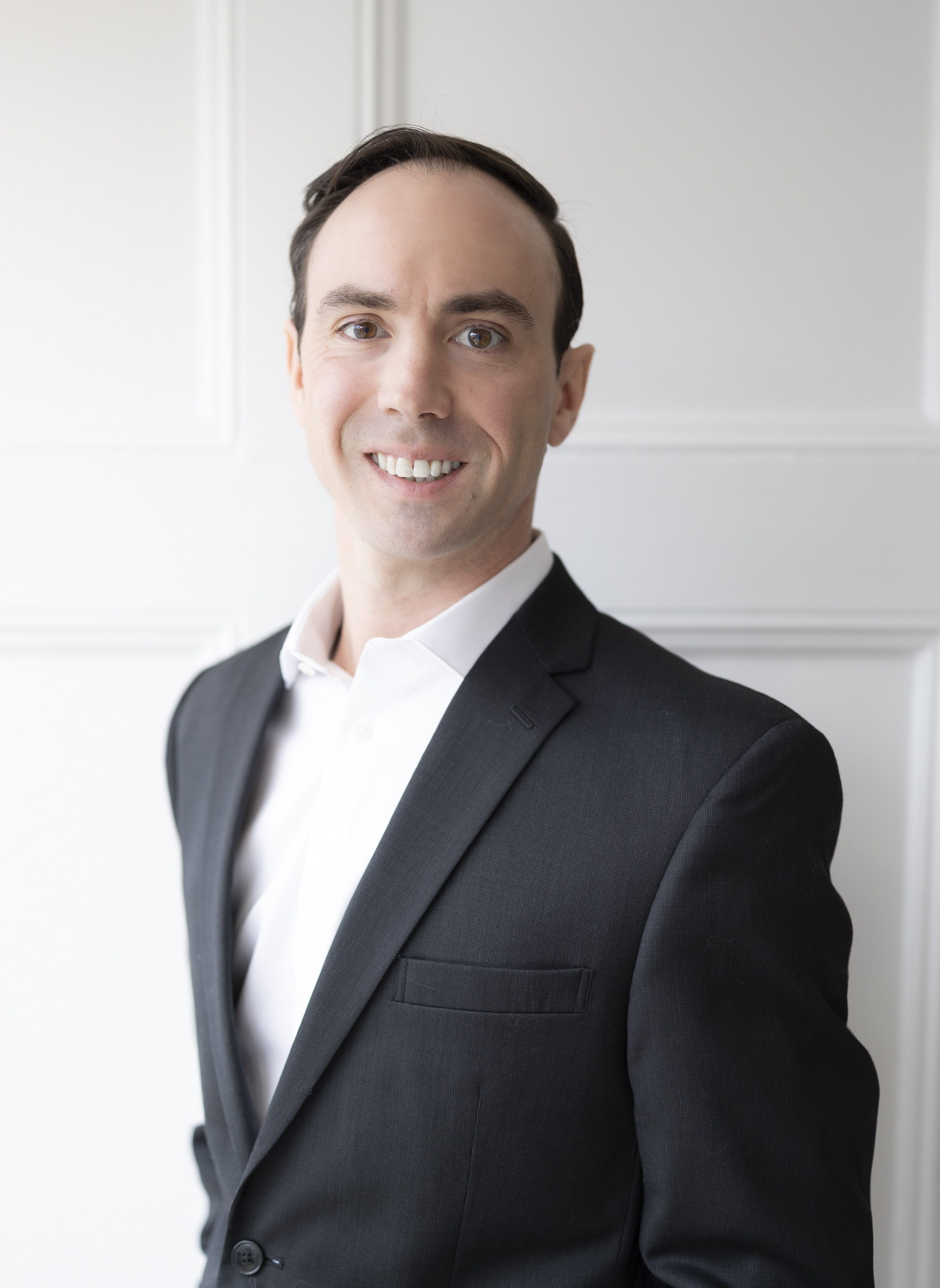
Licensed CT real estate professional (RES.0836133), Berkshire Hathaway HomeServices New England Properties. Founder of Safe Havens for Americans. More about Peter →
RES.0836133